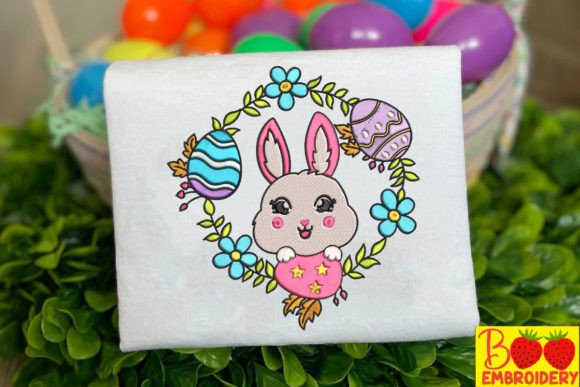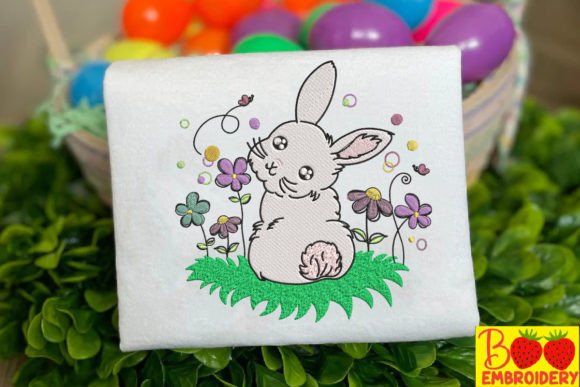
Cute Rabbit on the Bag: A Designer’s Review
As an embroidery designer who spends more time staring at stitch maps than finished garments, I have learned to be skeptical of "cute" designs. Often, they rely on charm to mask poor digitizing or impractical layout choices. However, when I loaded Cute Rabbit on the Bag into my software for a recent client project, my initial skepticism gave way to genuine appreciation. This is not just a seasonal graphic; it is a versatile machine embroidery design that holds up under professional scrutiny.
The context for this review was specific. I was preparing a spring collection for a small boutique client who specializes in personalized baby items and tote bags. She needed something that felt festive without being overly religious or kitschy. The goal was to create a handmade product that looked polished enough for retail shelves but retained that warm, artisanal touch customers crave. Here is how Cute Rabbit on the Bag performed in real-world application.
First Impressions: Mood and Visual Personality
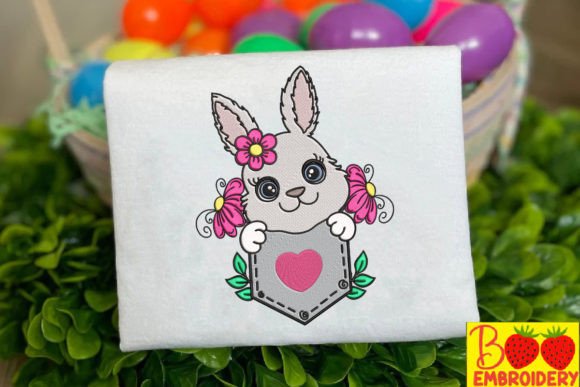
The first thing you notice about Cute Rabbit on the Bag is its balanced composition. Many Easter-themed designs suffer from clutter, trying to cram too many eggs, flowers, and text into a small space. This design, however, breathes. The rabbit is the clear focal point, with a playful posture that suggests movement rather than a static pose. The line work is clean, avoiding the jagged edges that often plague lower-quality embroidery files.
The mood is undeniably cheerful yet sophisticated. It does not scream "holiday discount bin." Instead, it whispers "spring renewal." This subtlety is crucial for Etsy sellers and craft business owners who want their products to remain relevant beyond a single weekend. While it fits perfectly into the Easter category, the aesthetic is gentle enough to transition into general spring decor or nursery themes with the right thread palette.
Real-World Application: From Totes to Sweatshirts
I tested this design on three different substrates to gauge its versatility: a heavy canvas tote, a cotton-poly blend sweatshirt, and a textured kitchen towel. The results were instructive.
On the canvas tote bag design, the rabbit popped beautifully. The sturdy fabric provided excellent support for the stitches, allowing the details to stand out without sinking into the weave. This is ideal for commercial embroidery projects where durability is key. Customers love a tote that feels substantial, and this design adds value without compromising the bag's structural integrity.
The sweatshirt embroidery test was more challenging due to the fabric's stretch and pile. Here, the choice of stabilizer became critical. I used a cut-away stabilizer to prevent puckering, and the result was crisp. The design did not distort, even after a wash cycle. This makes it a strong candidate for custom apparel lines, particularly for children’s clothing where comfort and longevity are paramount.
For the kitchen towel, I opted for a lighter touch. The design worked well as a personalized gift element. When paired with monogramming, Cute Rabbit on the Bag serves as a charming accent rather than an overwhelming centerpiece. This flexibility is a major selling point for small shop product creators who need to maximize the utility of their design assets.
Technical Considerations and Stitch Quality
From a technical standpoint, the digitizing of Cute Rabbit on the Bag demonstrates a good understanding of stitch density. There is a healthy mix of satin stitch for outlines and fill stitch for larger areas. This combination ensures that the design is not too stiff, which is a common complaint with poorly digitized animal motifs. The running stitch details add texture without adding bulk, keeping the finished product soft to the touch.
However, designers must pay attention to thread colors. Because the design relies on shape and form, contrast is essential. On dark fabrics, I recommend using lighter threads or adding a white underlay to ensure visibility. On light fabrics, vibrant pastels work wonderfully, but avoid colors that are too similar to the background, as the finer details may get lost. Always test your embroidery project on scrap fabric first to confirm that your chosen palette delivers the desired visual impact.
One area requiring caution is the hoop size. While the design is compact, ensure you have enough margin around the edges for your specific hoop. If you are working on curved surfaces like caps, consider resizing slightly to accommodate the curvature without distorting the rabbit’s proportions. For embroidered patch creation, this design scales down reasonably well, but verify that the smallest details remain clear at reduced sizes.
Commercial Viability and Brand Consistency
For digital embroidery file sellers and apparel decorators, the commercial potential of Cute Rabbit on the Bag is high. It appeals to a broad demographic, from parents looking for baby embroidery ideas to adults seeking cute home decor. The design’s clean lines make it easy to integrate into printable mockup portfolios, helping potential buyers visualize the finished product before purchasing.
Using this design can enhance brand consistency for shops that focus on quality and whimsy. It signals to customers that you care about detail and presentation. When used in holiday embroidery collections, it stands out for its restraint and elegance. It does not look mass-produced; it looks curated. This perception of quality can justify higher price points and foster greater customer trust.
Practical Advice for Designers
Before committing to a large production run, keep these practical notes in mind:
- Check Licensing: Always confirm the license terms associated with the machine embroidery design. Ensure you have the right to sell finished product items if you are running a business.
- Test on Textured Fabrics: If you plan to use this on towels or fleece, test the stitch penetration. You may need to adjust tension or use a topping stabilizer to prevent stitches from sinking.
- Review Small Details: Zoom in on your software to check for any tiny jumps or unnecessary trims. While this design is clean, every machine behaves differently.
- Contrast Matters: Create black and white mockups to see if the design holds its shape without color. If it looks muddy in grayscale, it may lack definition on certain fabrics.
- Stabilizer Selection: Match your stabilizer to your fabric. Woven fabrics generally need tear-away, while knits require cut-away for long-term stability.
In conclusion, Cute Rabbit on the Bag is a reliable, well-digitized asset for any embroidery professional’s library. It balances charm with technical soundness, making it suitable for a wide range of applications from tote bag design to custom apparel. By paying attention to fabric choice, thread contrast, and stabilization, you can leverage this design to create high-value, appealing products that resonate with customers. It is a solid choice for anyone looking to add a touch of springtime joy to their craft business offerings.