Glowing Paisley: A Designer’s Honest Review
As an embroidery designer who spends countless hours digitizing and testing patterns, I have learned that not every machine embroidery design is created equal. Some look stunning in a thumbnail but fall apart under the needle. Others are workhorses that elevate a simple piece of fabric into a high-end handmade product. Recently, I came across Glowing Paisley on Creative Fabrica and decided to put it through its paces. If you are a small business owner, an Etsy seller, or a creative entrepreneur looking to expand your catalog, understanding how this specific pattern performs in real-world scenarios is crucial before you hit download.
First Impressions: Visual Mood and Stitching Personality
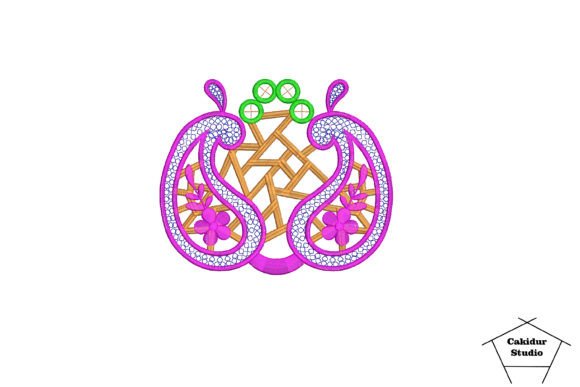
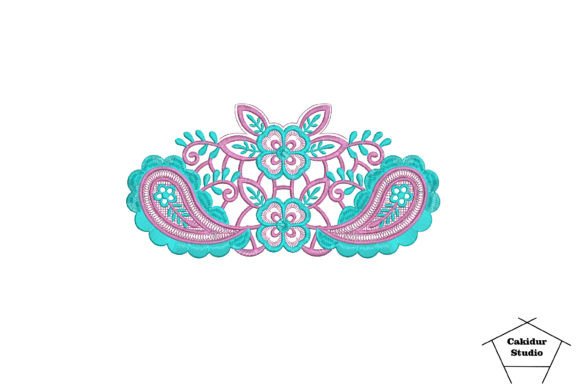
The first thing that caught my eye with Glowing Paisley was its balance between traditional motifs and modern execution. Paisley patterns can often feel dated if they are too dense or overly complex, but this design carries a lighter, more breathable aesthetic. The visual mood is elegant yet versatile, making it suitable for a wide range of demographics. From a technical standpoint, the stitching personality appears refined. It does not rely solely on heavy fill stitch areas, which can sometimes cause puckering on lighter fabrics. Instead, it seems to utilize a thoughtful combination of textures that allow the thread to shine without overwhelming the base material.
For designers, the appeal lies in its decorative potential. It is not just a static image; it has a flow that suggests movement. This makes it an excellent candidate for items where the drape of the fabric matters, such as scarves, lightweight shirts, or flowing tote bags. The "glowing" aspect mentioned in the title likely refers to the way the design interacts with light, possibly through strategic use of satin stitch borders that catch the eye, or perhaps through color choices that create a luminous effect when paired with the right thread colors.
Real-World Application: From Sweatshirts to Pillow Covers
When evaluating a new embroidery file, I always ask myself: "Where does this belong?" Based on the description, Glowing Paisley is marketed for the back of shirts, cushions, and pillows. In my experience, these are safe bets, but let us dig deeper into specific projects.
- Custom Apparel: Placing this design on the back of a sweatshirt is a classic move. The size and detail level seem appropriate for a statement piece. However, for front-placement on a fitted tee, you must consider the curvature of the body. A large, rigid design can distort on stretchy fabric. I recommend testing it on a scrap piece of jersey knit to see how the stitch density handles the stretch.
- Home Decor: The suggestion to renew a cushion or pillow is spot on. Embroidered pillow covers sell well because they add texture to a room. This paisley design would look particularly striking on a linen or cotton canvas pillow, where the natural texture of the fabric contrasts beautifully with the smooth embroidery threads.
- Tote Bag Design: Tote bags are staples for craft fairs. A central paisley motif adds a boutique feel to a plain canvas bag. Ensure you use a cut-away stabilizer to support the weight of the stitches, especially if the bag will carry heavy items like books or groceries.
- Embroidered Patch: If you want to maximize versatility, consider stitching this out on twill or felt to create an iron-on or sew-on patch. This allows customers to apply the design to jackets, hats, or backpacks themselves, expanding your product line without needing to embroider each individual item.
Technical Considerations for Professional Results
While Glowing Paisley shows promise, successful execution depends on your technical setup. As a professional, I cannot stress enough the importance of checking the file details before starting a production run. The product description notes it is a high-quality design, but it does not specify the exact hoop size or stitch count. You must verify these details on the Creative Fabrica product page. If the design is large, you may need a 5x7 or 6x10 hoop. If it is smaller, a 4x4 hoop might suffice, but always confirm compatibility with your specific machine.
Fabric choice plays a massive role in the final outcome. For dark fabrics, ensure the design includes underlay stitches that provide enough coverage so the background color does not peek through the top stitches. Conversely, on light or sheer fabrics, a dense design might cause visible pull or distortion. I always advise running a test stitch-out on scrap fabric identical to your final product. Check for thread breaks, nesting, and registration accuracy. Pay close attention to any tiny details or connecting bridges in the paisley swirls; these are common failure points if the tension is not calibrated correctly.
Another critical factor is the stabilizer. For woven fabrics like cotton or linen used in aprons or kitchen towels, a tear-away stabilizer might work if the design is not too dense. However, for knits like sweatshirts or caps, a cut-away stabilizer is non-negotiable to prevent the design from warping over time. If you are stitching on a curved cap surface, use a strong adhesive backing to keep the fabric taut and prevent shifting during the embroidery process.
Enhancing Product Value and Brand Consistency
Why choose Glowing Paisley over a free design found elsewhere? The answer lies in perceived value and brand consistency. High-quality Creative Fabrica embroidery assets are typically digitized with cleaner pathing and better jump stitch management. This results in a faster stitch-out time and fewer thread trims, which directly impacts your profit margin. A clean, professional-looking finished product builds buyer trust. When a customer receives a personalized gift or a piece of custom apparel with crisp, well-defined stitches, they are more likely to leave a positive review and return for future purchases.
Furthermore, this design can enhance your product photography. The intricate details of the paisley pattern provide excellent texture for close-up shots, which perform well on social media platforms like Instagram and Pinterest. Using a printable mockup can help you visualize the design on various products before you even stitch it, allowing you to create compelling listings for your online shop. Whether you are selling commercial embroidery services or ready-made goods, having a cohesive aesthetic helps establish your brand identity.
Final Verdict: Is It Worth the Download?
In conclusion, Glowing Paisley appears to be a solid addition to any embroidery designer’s library. Its versatility allows it to transition seamlessly from home decor to wearable art. However, success is not guaranteed by the file alone. It requires careful attention to fabric selection, stabilizer choice, and machine settings. Before committing to a large batch of finished products, always review the license terms on the product page to ensure you are compliant for commercial use. Check the included file formats to confirm they match your machine’s requirements. If you take these precautions, this design has the potential to become a bestseller in your shop, offering a blend of traditional charm and modern quality that customers appreciate.
Remember, the key to profitable embroidery is not just finding pretty designs, but understanding how they behave in the real world. Test, tweak, and perfect your process, and let Glowing Paisley add a touch of elegance to your next creative project.