Hummingbird Bird: A Designer's Review for Real Projects
As a designer who spends more time staring at stitch maps than actual fabric, I approach every new machine embroidery design with a mix of curiosity and skepticism. We've all been there: a file looks stunning on the screen, but once it hits the hoop, the density is off, or the details vanish into the pile of a towel. Today, I'm taking a close look at the Hummingbird Bird design to see if it holds up under the pressure of real-world production.
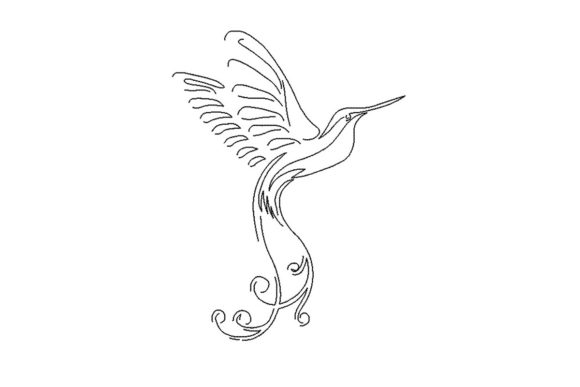
The first thing that strikes me about this embroidery file is its versatility. The description mentions that you can choose the color scheme at your discretion, which is music to a customizer's ears. In the world of Birds themed Embroidery, hummingbirds are tricky. They require a sense of motion and iridescence that static threads struggle to capture. However, this design seems to rely on strong silhouettes and thoughtful layout rather than getting bogged down in impossible micro-details. It feels modern, clean, and ready for application.
Putting the Design to the Test: A Real-World Scenario
To truly evaluate this asset, I imagined a specific project: a custom order for a boutique client wanting a set of personalized tote bags and matching aprons for a summer market stall. The goal was to create a cohesive brand look that felt handmade but professional. This is where Hummingbird Bird really shines. Because the design allows for discretionary color selection, I could match the thread colors exactly to the client's brand palette—perhaps using vibrant teals and magentas against a natural canvas background.
When visualizing this on a tote bag design, the shape of the hummingbird offers excellent visual balance. It's not so wide that it gets distorted on curved seams, nor is it so tall that it demands an unnecessarily large hoop. For a small shop product, recognition is key. Customers scrolling through an Etsy seller's inventory need to instantly grasp the theme. This design delivers that immediate "wow" factor without being overly busy. It suggests nature, freedom, and delicacy, which are powerful emotional triggers for buyers looking for a personalized gift.
Performance Across Different Fabrics and Items
One of the biggest questions I ask before downloading any digital embroidery file is: "Where does this actually work?" The Hummingbird Bird appears robust enough for various applications, but context matters immensely.
- Custom Apparel: On a sweatshirt, this design would make a fantastic left-chest logo or a larger back print. The sweatshirt embroidery market is huge right now, and buyers love nature motifs. The key here is ensuring the stitch density isn't too high, which could cause the fabric to pucker or the garment to feel stiff.
- Baby Embroidery: For baby clothes, softness is paramount. If this design uses a lot of fill stitch, I would recommend reducing the density settings in your software or using a softer rayon thread to ensure it doesn't irritate sensitive skin. It would look adorable on a onesie or a nursery blanket.
- Home Decor: Think pillow covers or tea towels. The contrast potential here is endless. A white hummingbird on a navy linen pillow cover creates a striking, high-end look suitable for boutique branding.
- Patches and Caps: Creating an embroidered patch requires clean edges. If the design relies heavily on running stitch for outlines, it might need a satin stitch border to prevent fraying over time. On caps, the curved surface can distort wide designs, but the hummingbird's generally vertical orientation makes it a safer bet for headwear.
Critical Considerations for Execution
While the aesthetic appeal is clear, a professional reviewer must also address the technical pitfalls. No design is perfect for every situation, and Hummingbird Bird is no exception. Here is where you need to exercise caution:
Fabric Texture and Weight: If you are stitching this on textured fabrics like terry cloth or heavy wool, fine details might get lost. The "iridescent" effect of a hummingbird often relies on subtle color changes. On a rough fabric texture, these nuances can muddy together. Always test on scrap fabric first. Similarly, be wary of using this on very thin or stretchy fabrics without the proper stabilizer. A design with significant coverage needs support to maintain its shape after washing.
Color Contrast: Since the product description highlights choosing your own color scheme, remember that contrast is king. A dark thread on a dark garment will render the beautiful shape of the bird invisible. Before committing to a full production run, create black and white mockups to check the value contrast. Does the wing separate from the body? Does the tail stand out? These checks save hours of frustration later.
Dense Stitch Areas: Inspect the small details. Hummingbirds often have tiny beaks and eyes. If these areas are too dense with satin stitch or tight fills, they can become hard, plastic-like blobs. In some cases, simplifying these areas or switching to a running stitch detail can improve the drape and look of the finished product.
Enhancing Brand Value and Customer Trust
Ultimately, we use these designs to build businesses. Whether you are an Etsy seller, a craft fair vendor, or offering commercial embroidery services, the quality of your design assets reflects directly on your brand. A crisp, well-executed Hummingbird Bird elevates a simple t-shirt into a piece of art. It signals to the customer that care went into the creation process.
For holiday embroidery or wedding gifts, the emotional resonance of the bird motif adds value. It transforms a generic item into a cherished keepsake. However, professionalism dictates that you verify the licensing terms. The description notes it decorates clothes and interior items, but always confirm if the license covers resale of finished goods or if it is limited to personal use. Nothing damages customer trust faster than legal ambiguities.
Final Verdict and Designer Notes
The Hummingbird Bird design is a strong contender for anyone looking to expand their catalog of nature-themed items. Its strength lies in its adaptability and clean lines. To get the best results:
- Test First: Never skip the sample stitch-out. Check how the thread colors interact with your specific fabric.
- Check Hoop Size: Ensure the design fits your intended hoop without needing to re-hoop, which can cause alignment issues.
- Review Density: If the design feels too stiff, adjust your fill density settings.
- Mockup Variety: Create printable mockups showing the design on different colored garments to help customers visualize the final result.
In the competitive landscape of handmade goods, having a reliable, attractive file like this in your arsenal is invaluable. It bridges the gap between a good idea and a sellable handmade product. Just remember, the magic isn't just in the file; it's in how you execute it. With the right materials and a keen eye for detail, Hummingbird Bird can definitely help you make your things unique.