Reviewing Blue Flowers Heart Leaf for Real Projects
As a designer who spends more time staring at stitch simulations than I care to admit, I have learned that not every machine embroidery design looks as good on fabric as it does on a screen. When I first opened the file for Blue Flowers Heart Leaf, my initial reaction was one of cautious optimism. The preview promised elegance, but in our line of work, elegance is often lost in translation when the needle hits the cloth. This piece falls under the Single Flowers category, which usually implies a focal point rather than an all-over pattern. For those of us running a craft business or selling on Etsy, finding a design that balances visual impact with stitching reliability is the holy grail.
First Impressions and Visual Mood
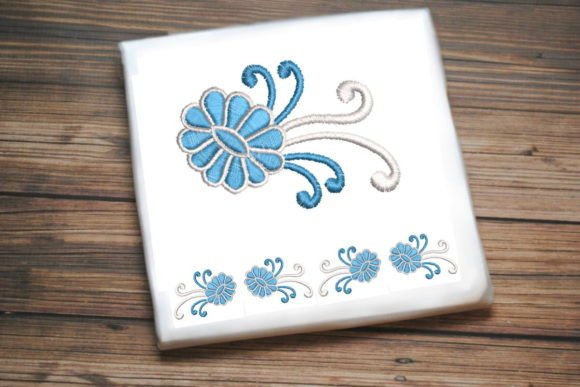
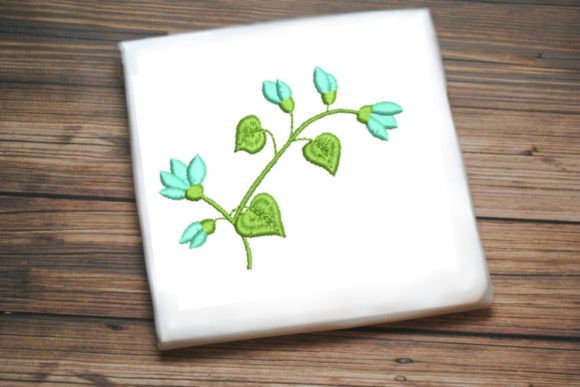
The immediate appeal of Blue Flowers Heart Leaf lies in its organic flow. It does not feel rigid or overly geometric, which is a common pitfall in digital design assets. The combination of floral elements with a heart motif suggests a theme of gentle affection, making it a strong contender for personalized gifts. The color palette implied by the title—shades of blue—evokes calmness and trust. In a market saturated with bright, neon-heavy designs, this subtlety stands out. It feels mature enough for adult apparel yet soft enough for nursery decor. As an embroidery project, it promises to be fun and easy to stitch, a claim I wanted to verify through practical application rather than just taking the description at face value.
Real-World Application: The Tote Bag Test
To truly evaluate this design, I needed a real-world scenario. I chose a canvas tote bag, a staple item for any Etsy seller or small shop owner. Canvas provides a stable base, but it also reveals issues with stitch density and pull. I loaded the embroidery file into my software, checking the pathing to ensure there were no unnecessary jumps that could cause thread nests on the back.
Stitching Blue Flowers Heart Leaf onto the tote was straightforward. The design’s layout allowed for a clean center placement without overwhelming the fabric’s texture. The result was a handmade product that looked professional rather than amateurish. The blue tones popped against the natural beige canvas, creating a high-contrast look that is visually striking. This success suggests that the design works exceptionally well as a tote bag design for book clubs, gardeners, or everyday carryalls. It adds value to a simple item, turning a generic bag into a boutique-style accessory.
Versatility in Apparel and Home Decor
Beyond totes, I considered how this design would perform on other substrates. For custom apparel, such as a denim jacket or a cotton sweatshirt, the design holds its own. Sweatshirt embroidery requires careful handling of pile fabrics, but since this is described as easy to stitch, it likely avoids excessive density that causes puckering. On a lighter note, this would make a charming addition to baby embroidery projects, such as bibs or onesies, provided the scale is adjusted appropriately for smaller garments. The heart element makes it particularly suitable for Valentine’s Day or Mother’s Day collections, fitting neatly into the holiday embroidery niche without being overly thematic or dated.
In home decor, imagine this stitched onto a linen pillow cover or a kitchen tea towel. The elegance mentioned in the product description shines here. It does not scream for attention but invites a closer look. For commercial embroidery clients, such as local boutiques or cafes, this design could serve as a subtle brand accent if customized with specific thread colors. It bridges the gap between decorative art and functional branding.
Technical Considerations and Potential Pitfalls
While Blue Flowers Heart Leaf is versatile, it is not without its technical demands. Any experienced reviewer knows that "easy to stitch" is relative. Here are the areas where you need to exercise caution:
- Fabric Texture and Stability: While it looks gorgeous on many fabrics, textured materials like heavy wool or loose-weave linens may obscure finer details. Always use a proper stabilizer. For stretchy fabrics like jersey knits, a cut-away stabilizer is non-negotiable to prevent distortion after washing.
- Stitch Types and Density: Without seeing the exact file, I anticipate a mix of satin stitch for outlines and fill stitch for the flower petals. If the density is too high for thin fabrics, you risk perforation. Always test on scrap fabric first. If the design uses running stitch for delicate veins or stems, ensure your tension is balanced to avoid looping.
- Hooping Challenges: If you are placing this on curved surfaces like caps, the hoop size matters. A design that is too wide may distort on a standard cap frame. Check the dimensions against your hoop capabilities before purchasing.
- Color Contrast: The design relies on the beauty of blue. On dark fabrics, standard blue threads may disappear. You might need to use metallic or lighter shades to maintain visibility. Conversely, on white fabric, ensure the shadows in the design are defined enough so it doesn’t look flat.
Enhancing Product Value and Brand Consistency
For the small shop product creator, the choice of design directly impacts perceived value. Blue Flowers Heart Leaf offers a level of sophistication that can justify a higher price point. It does not look like a freebie found on a forum; it looks intentional. When used in a personalized gift, such as a monogrammed blanket or a custom apron, it enhances the emotional connection of the item. Customers are not just buying embroidery; they are buying the feeling the design evokes.
Furthermore, consistency is key for brand recognition. If your brand aesthetic is soft, natural, and elegant, this design fits seamlessly. It can be part of a larger collection of Single Flowers that define your shop’s visual identity. Using such a cohesive applique design or standard embroidery across various products—from patches to pillows—builds trust. Buyers begin to recognize your style, leading to repeat business.
Practical Designer Notes for Best Results
Before you commit to a large batch of production, keep these practical tips in mind:
- Test Stitch First: Never skip the test run. Use the same fabric and stabilizer combination you plan to use for the final finished product.
- Check Thread Colors: Digital previews can be misleading. Compare your physical thread spools against the design’s color map. Adjust shades to suit your specific fabric background.
- Review Licensing: If you plan to sell items made with this digital embroidery file, confirm the license terms. Most designers allow commercial use for finished physical goods, but restrictions may apply to sharing the file itself.
- Mockup Variations: Create printable mockup images showing the design on different items. This helps customers visualize the scale and application, boosting conversion rates for online listings.
- Inspect Details: Zoom in on the digitizing. Look for tight turns in satin columns that might cause thread breaks. If necessary, add underlay stitches in your software to improve stability.
In conclusion, Blue Flowers Heart Leaf is a solid addition to any designer’s library. It balances aesthetic appeal with practical usability, making it a reliable choice for both hobbyists and professional craft business owners. By respecting the technical nuances of embroidery and understanding the mood this design conveys, you can create products that resonate with customers and stand the test of time. Whether you are decorating outfits or enhancing home decor, this design offers the elegance and ease required for successful, profitable projects.