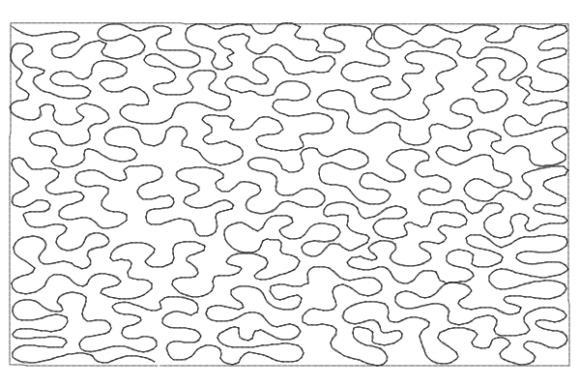
Stipple Pattern Review: A Craft Fair Best-Seller
As an embroidery designer preparing for a busy weekend at the local artisan market, my table needs to tell a story instantly. Customers walk by quickly, and their eyes need to catch something that screams quality and intention. Today, I am evaluating the Stipple Pattern to see if it earns a prime spot on my display rack alongside my best-selling tote bags and aprons. This isn't just about digitizing a file; it is about determining whether this design can carry a product line and generate sales for a small shop product.
First Impressions and Market Mood
When I first loaded the digital embroidery file for the Stipple Pattern into my software, the immediate vibe was one of understated elegance. Unlike bold, blocky fonts or cartoonish graphics that shout for attention, this pattern feels soft, minimal, and decorative. It has a texture that suggests a handmade touch without looking cluttered. For the current market trends leaning towards farmhouse chic and modern rustic aesthetics, this design fits perfectly. It feels premium, which is exactly what we need to justify higher price points on handmade goods.
The description notes that this pattern works well in a pocket reading pillow or a quilt block. This versatility tells me that the scale is likely adaptable. In a craft fair setting, versatility is king. A design that can shrink down for a hat or expand for a wall hanging gives me more inventory options without needing to buy new assets. The "stipple" name implies a scattered, organic dot effect, which often translates beautifully into thread, creating depth and shadow that flat prints cannot achieve.
Product Applications for the Booth
To truly test the viability of the Stipple Pattern, I imagined it stitched onto various items I plan to bring to the fair. Here is how it performs across different mediums:
- Tote Bag Design: On a canvas tote, this pattern would serve as a sophisticated focal point. Placed centrally or slightly off-center, the texture of the stippling contrasts nicely with the weave of the canvas, creating a craft fair product that looks expensive but remains accessible.
- Apron Embroidery: For kitchen aprons, the design adds a professional touch. It avoids being too childish, making it suitable for adult buyers looking for high-quality kitchen linens. The organic nature of the stipple hides minor fabric imperfections well.
- Tea Towel Embroidery: This is perhaps the strongest contender. Tea towels are impulse buys at markets. A delicate stipple pattern near the hem or corner elevates a simple flour sack towel into a giftable item. It photographs incredibly well for an Etsy seller looking to update their listings.
- Embroidered Patch: If the design allows for a tight merrow edge or satin border, it could work as a patch. However, the internal details must be checked to ensure they don't get lost when scaled down to patch size.
- Pillow Covers and Quilts: As suggested in the product description, this shines here. On a reading pillow, the texture invites touch. Customers love to feel the raised stitches of a machine embroidery design, and this pattern likely offers great tactile appeal.
Production Practicality and Batch Selling
For a boutique maker, time is money. Can I batch produce items with the Stipple Pattern efficiently? The answer depends largely on the stitch density. Stippling can sometimes be dense, which is great for coverage but bad for speed. If the design is too heavy, it might cause puckering on lighter fabrics like linen tea towels. Conversely, if it is too light, it may not show up well on textured materials.
From a visual standpoint, the design needs to be understandable at a glance. Does it look like a mistake or intentional art? A good stipple pattern should look like a cohesive image from three feet away. If it requires the customer to squint to understand what they are looking at, it will fail as a quick-sell item at a busy booth. However, if it creates a beautiful shadow effect that draws people in to inspect the finished product closer, it becomes a conversation starter.
Photography is another crucial factor. For online listings, this design needs to pop against the background. The texture created by the stitching should catch the light, providing natural highlights and shadows that make a printable mockup look realistic. Flat designs often look dead in photos; textured stippling brings life to digital storefronts.
Critical Considerations for Execution
Before committing to a full production run, there are several technical hurdles to clear. Not every fabric plays nice with every embroidery file.
- Fabric Texture: Thick, looped towels can swallow small details. If the stipple dots are too small, they will disappear into the terry cloth. This design is better suited for flat-weave cotton or linen.
- Curved Surfaces: Using this on caps requires caution. The curvature of a cap can distort the spacing of the dots, making the design look warped. It is best tested on flat surfaces first.
- Thread Colors: High contrast is usually safe, but tonal stitching (e.g., navy thread on a black bag) can look very premium if the lighting is right. However, for a craft fair, high contrast ensures visibility under tent lighting.
- Small Lettering: If the pattern includes any text, ensure it is large enough. Tiny lettering combined with dense stippling can turn into an unreadable blob.
Designer Notes and Final Verdict
My advice to fellow creative entrepreneurs is to never skip the testing phase. Take a scrap piece of your intended fabric and run the Stipple Pattern before hooping your final goods. Check the stabilizer usage; a cut-away stabilizer might be necessary if the stitch count is high to prevent sagging over time. Also, verify the hoop size requirements. If the design is large, you may need a jumbo hoop, which limits the machines you can use for production.
It is also vital to confirm commercial licensing. The product description mentions multiple formats and uses, but always double-check the specific terms regarding resale of finished goods versus the digital file itself. You do not want to build a brand around a design you aren't licensed to sell commercially.
In conclusion, the Stipple Pattern holds significant potential for Sewing and Embroidery businesses targeting the handmade market. Its strength lies in its adaptability and its ability to add a layer of perceived value through texture. Whether used on a cozy reading pillow or a stylish market bag, it bridges the gap between rustic charm and modern design. By paying attention to fabric choice and stitch density, this design can become a staple in your booth display, driving engagement and boosting sales for your small business.