Fox Cub Review: A Versatile Design for Woodland Embroidery
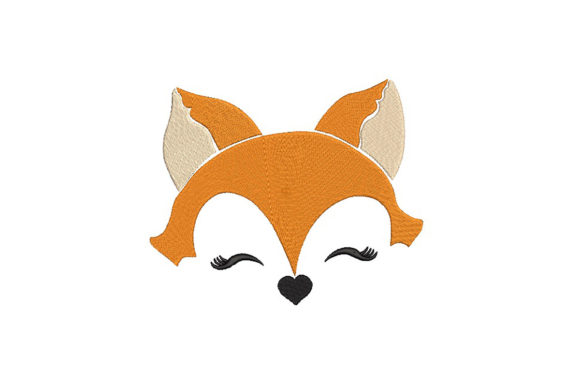
When I first opened the Fox Cub file on my screen, the immediate impression was one of playful charm mixed with practical versatility. As a designer who spends hours analyzing stitch paths and density maps before committing to a project, I look for more than just a cute image; I need a design that translates well from digital preview to physical thread. This particular piece fits squarely into the popular Woodland Animals category, but it avoids the overly complex detailing that often plagues small animal motifs. The silhouette is clean, suggesting a balance between fill stitch areas for the body and likely satin or running stitches for the defining facial features. For anyone running a craft business or looking to elevate their handmade products, this kind of visual clarity is essential.
Real-World Application: The Custom Tote Bag Scenario
To truly evaluate an embroidery design, you have to imagine it in a specific context. Let's say a client approaches you for a custom tote bag design for a local farmer's market or a boutique baby shower gift. They want something gender-neutral yet whimsical. This is where Fox Cub shines. Because the description highlights the ability to choose the color scheme at your discretion, the design becomes a chameleon. I can easily visualize stitching this in warm autumnal oranges and browns for a fall collection, or swapping to soft pastels for a nursery-themed personalized gift.
In a real-life scenario, I would test this on a canvas tote first. The structure of the fox seems robust enough to hold its shape on a slightly textured fabric without getting lost. Unlike some intricate applique designs that require precise cutting and layering which can be time-consuming for small shop products, this appears to be a direct stitch-out. This efficiency is crucial for Etsy sellers who need to maintain healthy profit margins while delivering high-quality finished products. The mood it creates is inviting and cozy, making it an excellent choice for items meant to bring comfort, such as pillow covers or kitchen towels.
Performance Across Different Garments and Materials
The true test of any machine embroidery design is its adaptability across various substrates. Fox Cub demonstrates strong potential for custom apparel. On a heavyweight sweatshirt, the design would add a focal point to the chest or sleeve without overwhelming the garment. The stitch density appears moderate based on the visual profile, which is ideal for knit fabrics that might otherwise pucker under heavy stitching. However, caution is advised when moving to stretchy fabrics like thin t-shirts. In these cases, using a high-quality cut-away stabilizer is non-negotiable to ensure the fox retains its crisp edges after washing.
For those interested in creating an embroidered patch, this design is a top contender. The distinct outline of the cub suggests it would digitize well or stitch out cleanly as a standalone patch that can later be applied to caps or jackets. When considering baby embroidery, the soft curves of the design are perfect for onesies or blankets, provided the thread colors are chosen with skin sensitivity and safety in mind. It also serves beautifully as holiday embroidery; imagine a row of these cubs on a table runner for Thanksgiving or stitched onto stockings for Christmas. The flexibility allows it to transition seamlessly from everyday wear to seasonal decor.
Navigating Technical Challenges and Fabric Textures
While Fox Cub is user-friendly, no design is without its considerations. If you are working with dark fabric, you must pay close attention to your thread colors. A light-colored fox on a navy background will pop, but you need to ensure the underlay is sufficient to prevent the dark fabric from showing through the lighter fills. Conversely, on textured fabrics like Terry cloth or heavy linen, the finer details—perhaps the eyes or nose—might get slightly obscured. In these instances, simplifying the thread palette or slightly enlarging the hoop size if the file allows can improve stitching clarity.
Curved surfaces present another challenge. If you plan to use this for sweatshirt embroidery on a sleeve or for a cap, remember that the geometry of the hoop and the curve of the item can distort the image. The fox's face needs to remain symmetrical to maintain its appeal. I recommend doing a test run on a scrap piece of the actual garment material, hooped exactly as you intend to stitch the final product. This step verifies whether the design assets hold up under tension and ensures that the small shop product you deliver looks professional.
Enhancing Brand Value and Customer Trust
From a business perspective, the aesthetic quality of your work directly impacts customer trust and brand consistency. Using a well-balanced design like Fox Cub signals to your buyers that you care about the details. It elevates a simple tote bag design into a boutique item. When customers see clean lines and thoughtful color choices, they perceive higher value, which justifies premium pricing. Furthermore, because the design allows for customization, it encourages buyer engagement. Clients love feeling involved in the creative process, and offering them choices in the color scheme makes the handmade product feel truly unique to them.
For digital product sellers offering this as part of a bundle, providing clear printable mockups showing the fox on various backgrounds can significantly boost sales. It helps the buyer visualize the potential of the digital embroidery file before purchase. Whether used for commercial embroidery services or personal hobby projects, the design's ability to evoke a sense of warmth and nature connects emotionally with the end-user.
Essential Designer Notes for Best Results
Before launching into production with Fox Cub, here are a few practical steps to ensure success:
- Test on Scrap Fabric: Always stitch a sample on the same material and weight as your final project to check for puckering or registration issues.
- Check Thread Contrast: Ensure there is enough contrast between the thread colors and the fabric background to keep the fox's features distinct.
- Review Stitch Density: If the design feels too stiff on lightweight fabric, consider editing the density in your digitizing software if you have the skills, or switch to a lighter stabilizer.
- Confirm Hoop Size: Verify that the design fits within your available hoop dimensions, especially if you are working with smaller items like baby socks or pockets.
- Inspect Small Details: Pay attention to tiny elements like the eyes or whiskers; ensure they are not so fine that they break easily during washing.
- Mockup Testing: Create black and white mockups to see how the design reads without color reliance, ensuring the form is strong on its own.
- Licensing Verification: Since the description mentions making things unique, always confirm the specific license terms regarding commercial embroidery and selling finished items versus digital files.
Ultimately, Fox Cub represents the kind of reliable, adaptable embroidery project that every designer wants in their library. It bridges the gap between trendiness and timelessness, suitable for everything from a rustic wedding gift to a line of children's apparel. By respecting the technical requirements of the fabric and machine, and by leveraging the design's inherent flexibility, you can create stunning pieces that resonate with customers and stand the test of time. Remember, the right selection of materials is just as important as the design itself, so take the time to pair this adorable fox with the perfect thread and fabric combination for your next creation.