Line Border: A Designer’s Review for Boutique Sweatshirts
As an embroidery designer who has spent years digitizing patterns and consulting with small clothing brands, I approach every new machine embroidery design with a critical eye. It is not just about whether the file opens correctly; it is about how that design translates onto fabric, how it elevates the garment, and ultimately, how it sells. Recently, I had the opportunity to test Line Border for a limited-edition sweatshirt drop for a boutique client. The goal was simple: create a look that felt sweet, modern, and undeniably premium without overwhelming the clean aesthetic of contemporary streetwear. Here is my honest evaluation of this embroidery file and how it performs in a real-world commercial setting.
First Impressions: Mood and Aesthetic Appeal
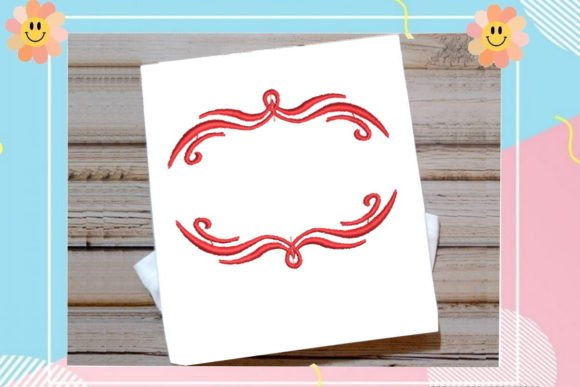
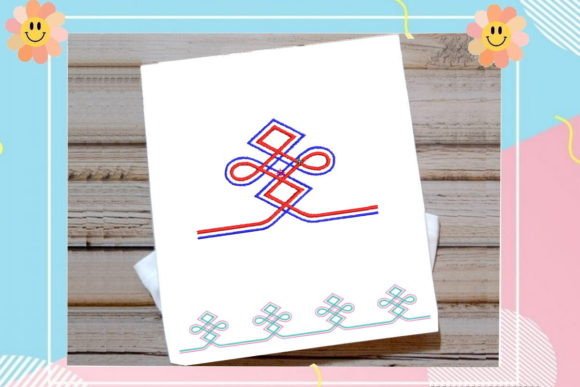
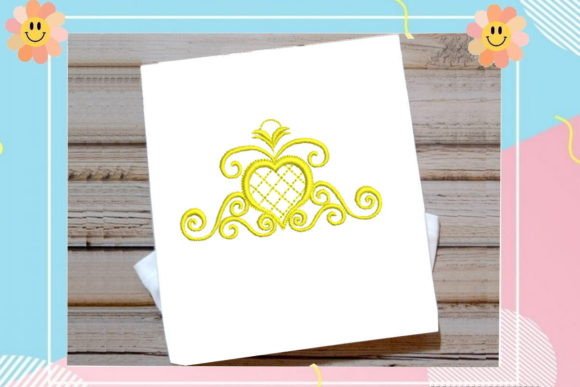
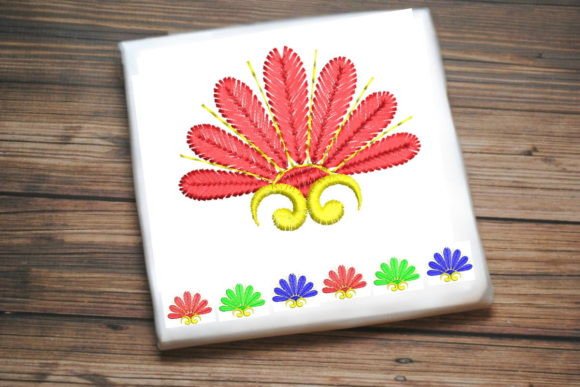
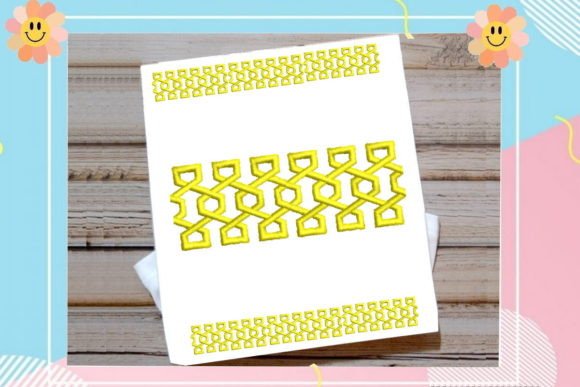
The first thing that strikes you about Line Border is its versatility. In a market saturated with overly complex, high-density logos, there is a refreshing quality to a design that relies on clean lines and balanced spacing. The mood is distinctly modern yet approachable. It does not scream for attention; instead, it invites the viewer to appreciate the craftsmanship. For a boutique brand aiming for a "quiet luxury" or minimalist vibe, this design hits the mark perfectly. It feels decorative without being cluttered, making it an ideal candidate for apparel that needs to transition seamlessly from casual wear to styled lifestyle photography.
When I loaded the digital embroidery file into my software, the layout appeared well-structured. The lines are consistent, suggesting a professional digitization process that prioritizes smooth thread travel. This is crucial for maintaining the integrity of the design during high-speed stitching. The personality of the stitches leans towards elegant and refined. It is not rustic or overly playful; rather, it possesses a feminine softness that pairs beautifully with cozy seasonal apparel. For an Etsy seller or a small shop owner, this aesthetic broadens your customer base, appealing to those who prefer subtle branding over bold graphics.
Application on Sweatshirts and Hoodies
The true test of any border design is how it interacts with heavy fabrics. I applied Line Border to a range of garments, including neutral beige sweatshirts, deep charcoal hoodies, and soft pastel crewnecks. On neutral tones, the design acted as a sophisticated frame, enhancing the fabric texture rather than competing with it. The contrast was subtle, creating a tonal effect that looked expensive and understated. This is a key selling point for custom apparel businesses targeting customers who value quality materials and thoughtful details.
On dark fabrics, the design required careful selection of thread colors. I opted for a matte silver and a soft cream, both of which popped against the black cotton blend without looking cheap. The sweatshirt embroidery held up remarkably well, with no visible puckering when the correct stabilizer was used. For oversized hoodies, I placed the design on the lower hem as a border accent. This placement is trending heavily in current fashion, offering a unique twist on traditional chest logos. The hoodie design looked intentional and curated, adding significant perceived value to the finished product.
Pastel colors presented a different challenge and opportunity. Here, Line Border shone as a sweet, delicate accent. Using matching pastel threads created a textured, almost embossed look that felt incredibly tactile and inviting. This application is perfect for spring collections or baby apparel, where softness and visual gentleness are paramount. The design’s ability to adapt to these varying color palettes makes it a versatile asset for any design assets library.
Placement Strategies for Maximum Impact
- Chest Placement: Ideal for small to medium hoop sizes, creating a classic, branded look.
- Sleeve Accents: Running the border along the forearm adds a sporty, modern edge.
- Hem Borders: Perfect for oversized fits, grounding the garment with a structured detail.
- Back Designs: Can be scaled up for a larger statement piece, though density should be monitored.
Technical Considerations for Commercial Use
For those running a commercial embroidery operation, technical reliability is non-negotiable. Line Border demonstrates a thoughtful approach to stitch density. It is dense enough to cover the fabric effectively but light enough to prevent stiffness. This balance is critical for comfort, especially in garments worn directly against the skin. However, because sweatshirt fabric is thick and often fuzzy, I strongly recommend using a cut-away stabilizer. This ensures that the design remains stable through multiple washes, maintaining its shape and preventing distortion.
One concern with any line-based design is readability at smaller sizes. During my testing, I found that Line Border maintains its clarity even when scaled down for smaller hoop size applications, such as pocket accents or hat brims. The spacing between the lines is sufficient to prevent thread bridging, a common issue in lower-quality digitizing. That said, always check the specific stitch count and recommended hoop dimensions provided with the file before production. These details are vital for calculating production time and pricing your small shop product accurately.
Washing durability is another major factor. After several wash cycles, the embroidered areas on my test garments showed no signs of fraying or loosening. The threads remained vibrant, and the fabric underneath did not pucker. This durability builds buyer trust, a cornerstone of successful handmade product businesses. Customers are more likely to return if they know their investment will last.
Elevating Brand Identity and Product Value
In the world of online retail, particularly for Etsy sellers and independent boutiques, visual presentation is everything. Line Border lends itself beautifully to printable mockup creation. Its clean lines photograph well, allowing for crisp, high-resolution images that highlight the texture of the embroidery. When used in lifestyle product photography, the design adds a layer of sophistication that can justify a higher price point. It signals to the customer that this is not mass-produced fast fashion, but a carefully crafted item.
Using a consistent design element like Line Border across a collection helps establish visual recognition. Whether it appears on a tote bag, a home decor pillow, or a signature hoodie, the recurring motif strengthens brand identity. For creative entrepreneurs, this consistency is key to building a loyal customer base. The design’s modern, sweet aesthetic aligns well with brands that prioritize authenticity and quality. It enhances customer engagement by offering a product that feels personal and special.
Ultimately, Line Border is more than just a pattern; it is a tool for storytelling. It allows designers to add a touch of elegance to everyday items, transforming them into cherished possessions. For anyone in the Borders category looking to expand their offerings, this Embroidery design is a strong contender. It bridges the gap between simplicity and style, offering a professional finish that appeals to a wide audience.
Before launching your next collection, I urge you to test this design on your specific fabric blends. Check the file formats to ensure compatibility with your machines, and experiment with different thread weights to find the perfect look. With the right preparation, Line Border can become a staple in your design repertoire, helping you create beautiful, modern pieces that stand out in a crowded marketplace. Whether you are decorating clothing items or home decor pieces, this design offers the flexibility and quality needed to succeed in today’s competitive handmade industry.