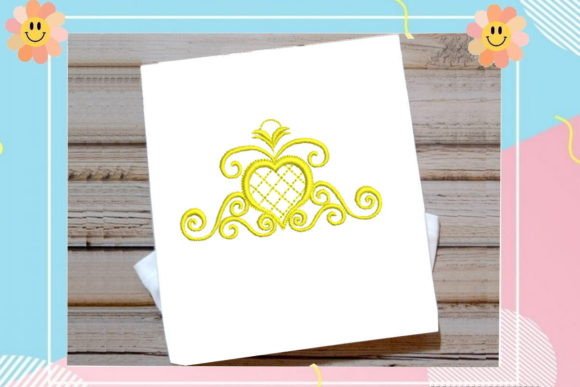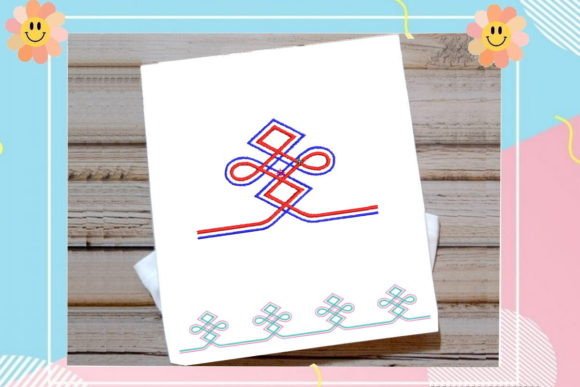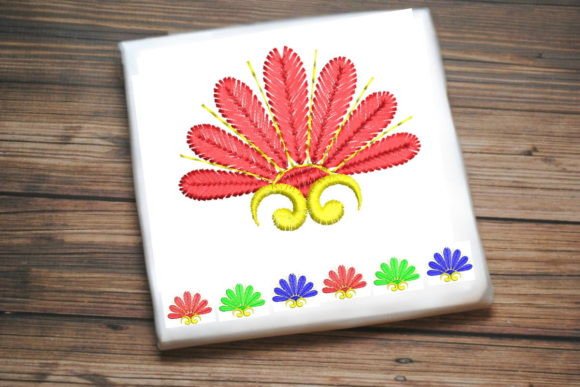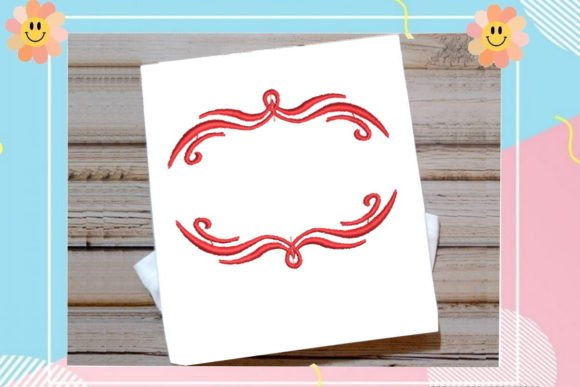
Review: Yellow Geometric Border for Craft Fairs
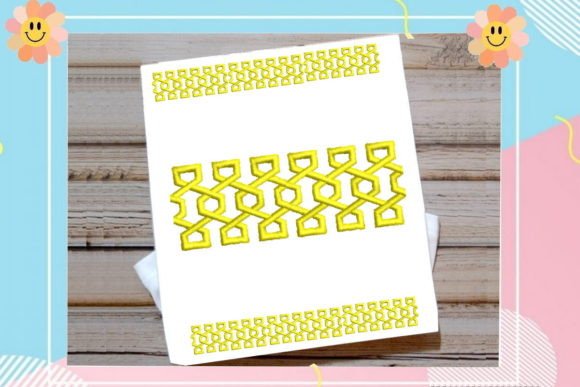
As an embroidery designer who has spent countless weekends behind a booth table, I know that the difference between a browser and a buyer often comes down to visual impact. When I first loaded the Yellow Geometric Border into my software, my immediate reaction was one of refreshing optimism. In a sea of rustic farmhouse fonts and overly complex floral motifs, this design stands out as sweet, modern, and undeniably cheerful. It is not just a decorative element; it is a strategic tool for the handmade seller looking to catch the eye of a passerby.
First Impressions: Modern Simplicity Meets Warmth
The Yellow Geometric Border strikes a delicate balance. It feels contemporary without being cold. The geometric nature suggests precision and quality, while the yellow hue injects warmth and approachability. For a craft fair environment, where lighting can be unpredictable and distractions are plentiful, this level of clarity is essential. It does not scream for attention with noise; rather, it invites inspection with charm. This makes it an ideal candidate for sellers who want their brand to feel curated, thoughtful, and fresh.
When evaluating this as a borders category item, I look for versatility. Does it frame well? Does it distract from the main subject or enhance it? In this case, the design acts as a perfect accent. It is substantial enough to be noticed but linear enough to remain secondary to the product itself. This is crucial for commercial embroidery where the garment or home good must remain the hero.
Product Applications: Where This Design Shines
To truly test the viability of any machine embroidery design, you must imagine it on various substrates. Here is how I see the Yellow Geometric Border performing in a real-world retail scenario:
- Tote Bags and Market Bags: This is arguably the strongest application. A canvas tote with this border running along the bottom hem or framing a central monogram creates an instant tote bag design that feels boutique-ready. The yellow pops beautifully against natural cotton or white canvas.
- Aprons and Kitchen Textiles: For apron embroidery, placing this border along the bib edge or the pocket trim adds a professional finish. It transforms a basic utility item into a giftable piece. Similarly, for tea towel embroidery, the linear nature of the border complements the rectangular shape of the towel perfectly.
- Embroidered Patches: If you are selling smaller, lower-price-point items, this design works well as an iron-on or sew-on patch. The geometric lines hold up well at smaller scales, provided the stitch density is managed correctly.
- Caps and Headwear: Curved surfaces are tricky. However, if the border is thin enough, it can work beautifully on the brim or the back strap of a cap. It adds a subtle detail that elevates a standard hat into a small shop product with perceived higher value.
Production Practicality for the Busy Seller
For those of us running small businesses, time is money. A design that looks great but takes three hours to stitch is rarely profitable for low-margin items. While specific technical details like exact stitch count or file format are not provided in the initial description, experienced makers know what to look for. The term "high-quality" in the product description suggests optimized pathing, but you must verify this.
One of the key advantages of a border design is its potential for batch production. You can hoop multiple items or use multi-positioning features in your software to stitch several units in one go. The Yellow Geometric Border appears straightforward enough to minimize thread breaks and jump stitches, which is vital when you are producing fifty units for a weekend market.
Photography is another critical factor. This design photographs exceptionally well. The contrast of yellow thread against neutral fabrics creates clean, bright images for your Etsy seller listings. It also lends itself to creating attractive printable mockup assets for social media promotion, allowing you to showcase the design before you even stitch a single thread.
Careful-Use Notes and Technical Considerations
Despite its appeal, there are pitfalls to avoid. As a designer, I must advise caution regarding fabric texture and color. Yellow thread can disappear on light cream or off-white fabrics. Always test your thread colors against your specific fabric stock. High-contrast combinations, such as yellow on navy, charcoal, or bright white, will yield the best visual results.
Additionally, consider the stitch density. If the geometric pattern is too dense, it may cause puckering on lightweight fabrics like linen or thin cotton. Using the correct stabilizer is non-negotiable. For textured towels, ensure the design does not get lost in the pile; a slightly larger scale or satin stitch outline might be necessary to maintain clarity.
Be mindful of the hoop size required. If the border is long, you may need a larger hoop or a re-hooping strategy. Always check the dimensions provided with the digital embroidery file to ensure it fits your intended product area without distorting the geometry.
Enhancing Brand Consistency and Buyer Engagement
Using a cohesive set of design assets helps build brand recognition. If you adopt the Yellow Geometric Border as a signature element across your product line—appearing on your packaging, your business cards, and your products—you create a unified aesthetic. This consistency signals professionalism to buyers. It tells them that you are not just hobbyist dumping random designs on fabric, but a curated brand with a distinct voice.
In a crowded marketplace, this distinction drives engagement. Customers are drawn to items that feel complete. A plain pillow cover becomes a decor statement with this border. A simple pouch becomes a premium gift item. The perceived value increases because the embroidery looks intentional and integrated, not just slapped on.
Final Designer Verdict
Before you commit to full-scale production, follow these steps:
- Test on Scrap Fabric: Never skip this. Check for registration issues and thread tension.
- Verify Licensing: Confirm that the embroidery file includes commercial licensing rights. You must have permission to sell the finished product.
- Create Mockups: Use digital tools to visualize the design on different colored backgrounds to plan your inventory mix.
- Check Details: Since specific technical specs were not listed, contact the provider for stitch count and recommended needle size if you are working with delicate fabrics.
The Yellow Geometric Border is a strong contender for any craft fair product lineup. It is versatile, modern, and commercially viable. By paying attention to fabric contrast and production efficiency, you can turn this simple embroidery element into a best-selling staple of your handmade shop. It is a reminder that sometimes, the simplest designs, executed with precision, are the ones that sell the most.